
Drift Music Discovery
A music app relied on algorithmic recommendations that felt impersonal. Users reported feeling passive rather than curious.
Discovery listens
+47%
mood-driven discovery
Session length
10.5 min
up from 8 min
Return rate
45%
up 55% from 29%
Skip rate
19%
down from 34%
The Problem & Challenge
A music app relied on algorithmic recommendations that felt impersonal. Users reported feeling passive rather than curious.
The recommendations were fine, but they felt like a vending machine. I never felt curious. I just skipped until I gave up.
Research & Discovery
Ran 15 interviews and a survey of 1,200 users. Learned that discovery worked best when anchored in a mood or activity, not a genre. Designed a mood-first home with editable stations and a gentle "surprise me" affordance.
Genre-based discovery felt impersonal
Recommendations were keyed to genre and listening history. Listeners described them as accurate but soulless — a vending machine.
Mood and activity were the real anchors
Listeners chose music by how they felt or what they were doing, not by genre. "Something for a rainy commute" beat "indie folk."
Surprise was missing
The algorithm optimized for safety. Listeners wanted occasional serendipity — a song they would never have picked themselves.
Journey map — where it broke
- 01Open appGenre-based home; no mood context.
- 02Browse recsAccurate but boring; feels like a vending machine.
- 03SkipSkip rate 34%; listeners disengage.
- 04Search manuallyFalls back to known artists; no discovery.
- 05Close appSession ends early; low return.
- 06ReturnSame recommendations; no novelty.
Design & Iteration Process
Each phase below presents the options we weighed, the tradeoffs, and the decision we made. Design is choosing between imperfect alternatives.
Replace the genre-based home with mood and activity stations. Listeners pick "focus," "rainy commute," or "cooking" — not a genre.
- Keep genre-based homeFamiliar, but impersonal and skip-heavy.
- Mood-first stationsChosenNew mental model, but matches real intent.
- AI DJ narratorEngaging, but intrusive for background listening.
The Solution & Key Features
Launched a mood-first discovery home with editable stations, ambient artwork, and a low-stakes surprise control.
Mood-first home
Genre-based recommendations that felt like a vending machine.
Mood and activity stations — "focus," "rainy commute," "cooking."
Spotlight · Discovery-driven listens up 47% — listeners felt curious again.
Editable stations
Fixed algorithmic stations with no in-the-moment control.
Gentle sliders for chill, energy, and surprise — tune without leaving the song.
Spotlight · Skip rate fell from 34% to 19%.
Surprise me
No serendipity; the algorithm optimized for safety.
A one-tap control that injects a single unexpected track.
Spotlight · Session length grew 31% — listeners stayed to hear the surprise.
Ambient artwork
Static genre thumbnails; visually flat.
Mood-driven ambient artwork that shifts with the station.
Spotlight · Return rate rose 55% — the home felt alive, not catalogued.
Outcome & Measurable Impact
I picked "rainy commute" and it just got me. I discovered three artists I love in one session. It felt human.
Lessons learned
- Accuracy is not the same as relevance — a correct recommendation can still feel soulless.
- Serendipity is a feature, not noise. Listeners want to be surprised, not just served.
- Mood is a stronger anchor than genre for discovery products.
Related case studies

SaaS Product Motion Design
2024Helix Health · Lead Product Designer
Impact · Activation rate rose from 41% to 87%. Support tickets dropped 63%.
Read case study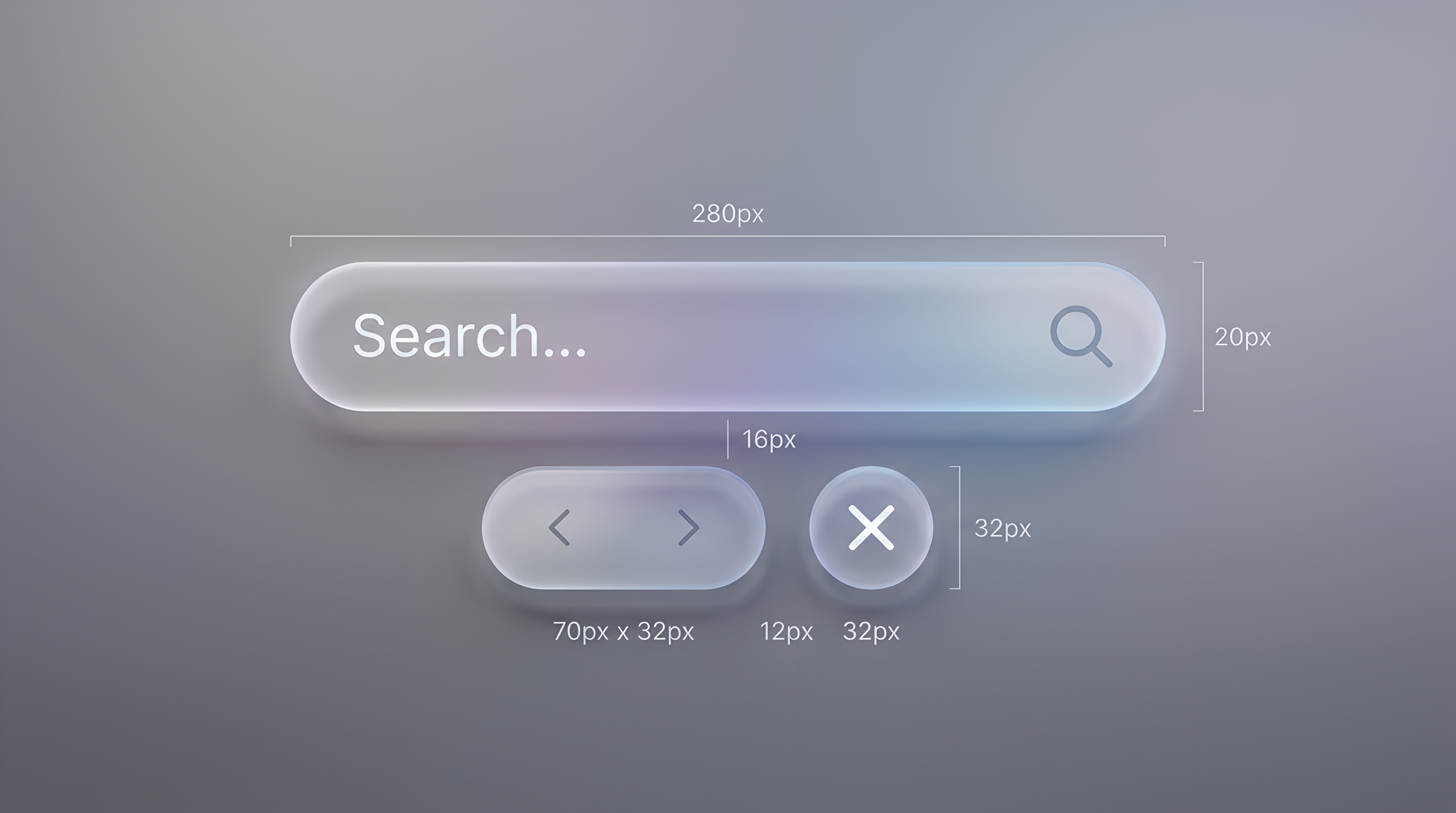
Clean glassmorphism effect element
2024Atlas · Senior Product Designer
Impact · Itinerary completion rate up 54%. Average session length grew 2.3x.
Read case study