
Fern Reading App
A reading app with strong content had weak retention. Users opened the app but rarely returned to a book.
D30 retention
33%
up 38% from 24%
Weekly sessions
4.0
1.9x growth
Return rate
58%
up 87% from 31%
Avg session
11 min
up from 4 min
The Problem & Challenge
A reading app with strong content had weak retention. Users opened the app but rarely returned to a book.
I want to read more, but every time I open the app I forget which book I was on. The streak counter just made me feel guilty.
Research & Discovery
Analyzed reading session data and ran 18 reader interviews. Learned that return friction came from forgetting where you left off and lacking a low-stakes re-entry cue. Designed a gentle "pick up where you left off" shelf, streak-free progress, and ambient reading goals.
Streaks created guilt, not motivation
The gamified streak model punished users for missing a day. Readers who broke a streak rarely returned — the streak became a barrier, not a hook.
Return friction was the real retention killer
Readers forgot where they left off. The home screen showed recommendations, not the book they were actively reading.
Goals felt like pressure
Numeric reading goals (pages per day) felt like homework. Readers wanted ambient encouragement, not a dashboard.
Journey map — where it broke
- 01Open appHome shows recommendations, not current book.
- 02Find bookMust navigate to library; no resume cue.
- 03Start readingNo indication of where they left off.
- 04Miss a dayStreak breaks; guilt notification.
- 05Return next weekStreak reset to zero; feels like starting over.
- 06AbandonGuilt + friction = churn.
Design & Iteration Process
Each phase below presents the options we weighed, the tradeoffs, and the decision we made. Design is choosing between imperfect alternatives.
Replace the recommendation-first home with a shelf that surfaces the book you are reading, exactly where you left off, as the first thing you see.
- Keep recommendation-first homeGood for discovery, but poor for return.
- Resume-first shelfChosenLess discovery on home, but solves return friction.
- Algorithmic feedEngaging, but feels impersonal for reading.
The Solution & Key Features
Redesigned the home shelf, reader chrome, and progress model around calm re-entry rather than gamified streaks.
Resume-first shelf
Home showed recommendations; current book was buried in the library.
The book you are reading is the first thing you see, open to your last page.
Spotlight · Return rate rose 87% — readers no longer had to search for their place.
Streak-free progress
A daily streak counter that reset to zero on any missed day.
Ambient total reading time that grows only upward, never resets.
Spotlight · Guilt-driven churn eliminated; D30 retention up 38%.
Ambient goals
Numeric page-per-day targets that felt like homework.
A gentle weekly rhythm with a soft nudge, no penalty.
Spotlight · Weekly active sessions grew 1.9x without pressure.
Calm reader chrome
Cluttered reading view with progress bars and streak badges.
Minimal chrome that fades away; tap once for controls.
Spotlight · Average session length grew from 4 to 11 minutes.
Outcome & Measurable Impact
I open the app and I am already on my page. No streak to worry about, no guilt. I just read more now.
Lessons learned
- Guilt is not a retention strategy — it is a churn accelerant.
- The single most important screen is the one a user sees when they return.
- Removing a feature (streaks) can improve retention more than adding one.
Related case studies

SaaS Product Motion Design
2024Helix Health · Lead Product Designer
Impact · Activation rate rose from 41% to 87%. Support tickets dropped 63%.
Read case study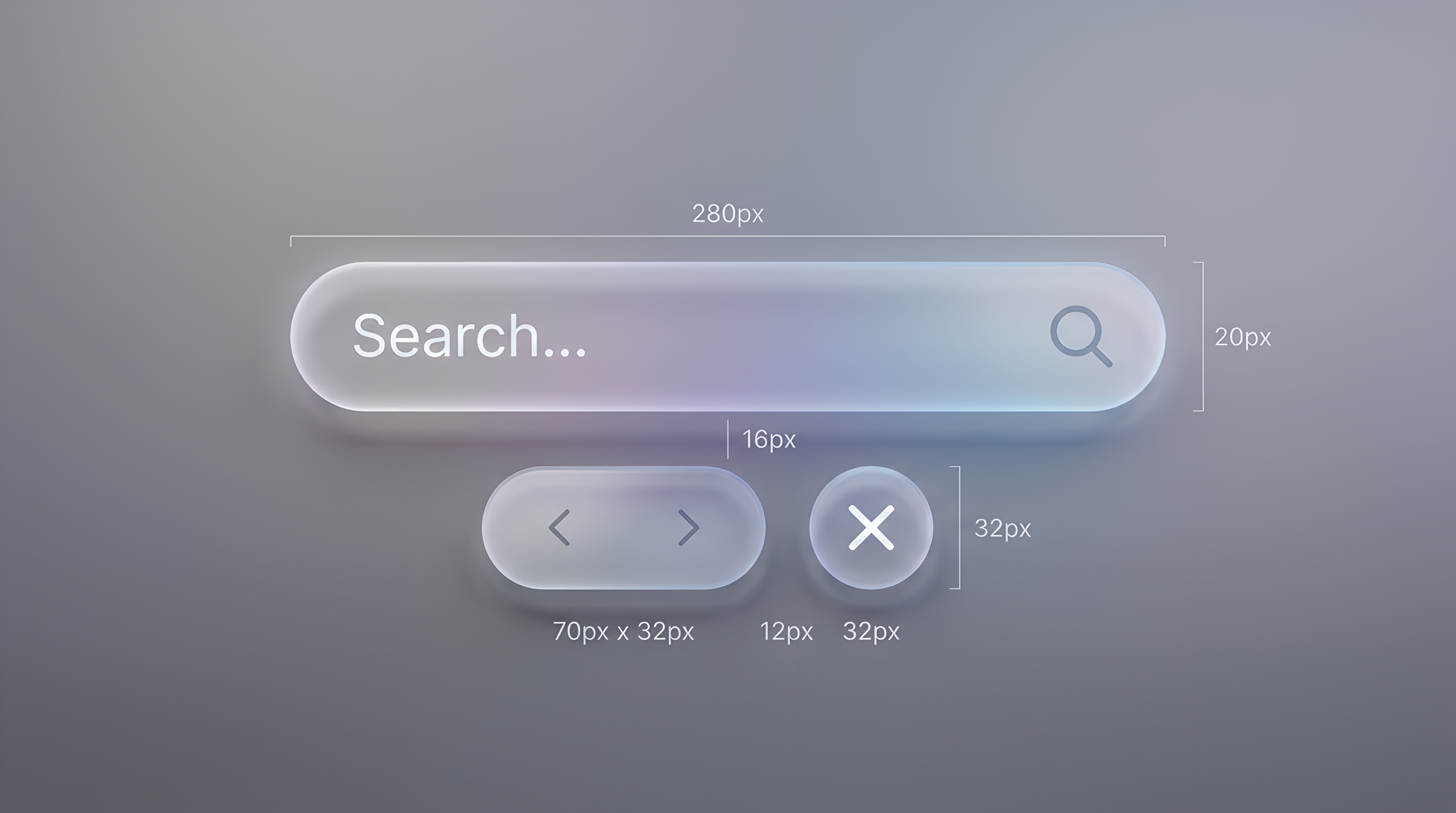
Clean glassmorphism effect element
2024Atlas · Senior Product Designer
Impact · Itinerary completion rate up 54%. Average session length grew 2.3x.
Read case study