
Monolith Billing
Self-serve billing confused small business owners. Involuntary churn from failed payments was 7.2% monthly.
Involuntary churn
2.1%
down from 7.2% monthly
Recovery rate
64%
up from 18%
Revenue recovered
$1.4M
annualized
Support calls
-71%
billing-related
The Problem & Challenge
Self-serve billing confused small business owners. Involuntary churn from failed payments was 7.2% monthly.
I did not even know my card had failed until my account was suspended. By then I had already moved to a competitor.
Research & Discovery
Audited the billing surface and ran 16 interviews with finance leads. Found that error states were opaque and dunning emails arrived too late. Redesigned the billing dashboard, retry logic, and recovery emails. Introduced an inline payment recovery modal.
Failure states were opaque
When a payment failed, the dashboard showed a generic error. Owners did not understand what happened or what to do next.
Dunning emails arrived too late
The retry cycle waited 14 days before the first email. Most owners had already churned or switched by then.
Retry required leaving the app
To update a card, owners were redirected to a third-party payment portal. The friction killed the recovery attempt.
Journey map — where it broke
- 01Payment failsGeneric error; no explanation of why.
- 02Dunning emailArrives 14 days later; account already suspended.
- 03Support contactOwner must call in; 2-day response time.
- 04Update cardRedirected to third-party portal; context lost.
- 05Account restoredManual process; data sometimes lost.
- 06Next billingSame opaque cycle repeats next month.
Design & Iteration Process
Each phase below presents the options we weighed, the tradeoffs, and the decision we made. Design is choosing between imperfect alternatives.
Redesign the billing dashboard to show payment status, failure reasons, and next steps in plain language — no jargon, no redirects.
- Keep generic error statesMinimal effort, but churn stays at 7.2%.
- Plain-language billing centerChosenMore work, but owners can self-recover.
- Email-only recoveryLow effort, but email open rates are poor.
The Solution & Key Features
Shipped a transparent billing center with proactive recovery nudges and a one-click retry flow.
Transparent billing center
Generic error states with no explanation or next step.
Plain-language status, failure reason, and a clear recovery action.
Spotlight · Support calls about billing dropped 71% in the first month.
Inline retry modal
Card update required a redirect to a third-party portal.
Update and retry in a single modal, without leaving the app.
Spotlight · Recovery rate jumped from 18% to 64%.
Proactive dunning
First email arrived 14 days after failure — too late.
Day-1 email with one-click retry, plus a grace-period reminder.
Spotlight · Involuntary churn fell from 7.2% to 2.1% monthly.
Grace-period buffer
Suspension was automatic and immediate after the retry cycle.
A 7-day grace period with a visible countdown and recovery nudge.
Spotlight · Owners self-recovered 3x more often during the grace window.
Outcome & Measurable Impact
I updated my card in two clicks and my account was back instantly. I did not even have to call support.
Lessons learned
- The fastest revenue win is usually in the recovery flow, not the acquisition funnel.
- Opaque error states are not a design detail — they are a revenue leak.
- Reducing friction in a single moment can recover seven figures.
Related case studies

SaaS Product Motion Design
2024Helix Health · Lead Product Designer
Impact · Activation rate rose from 41% to 87%. Support tickets dropped 63%.
Read case study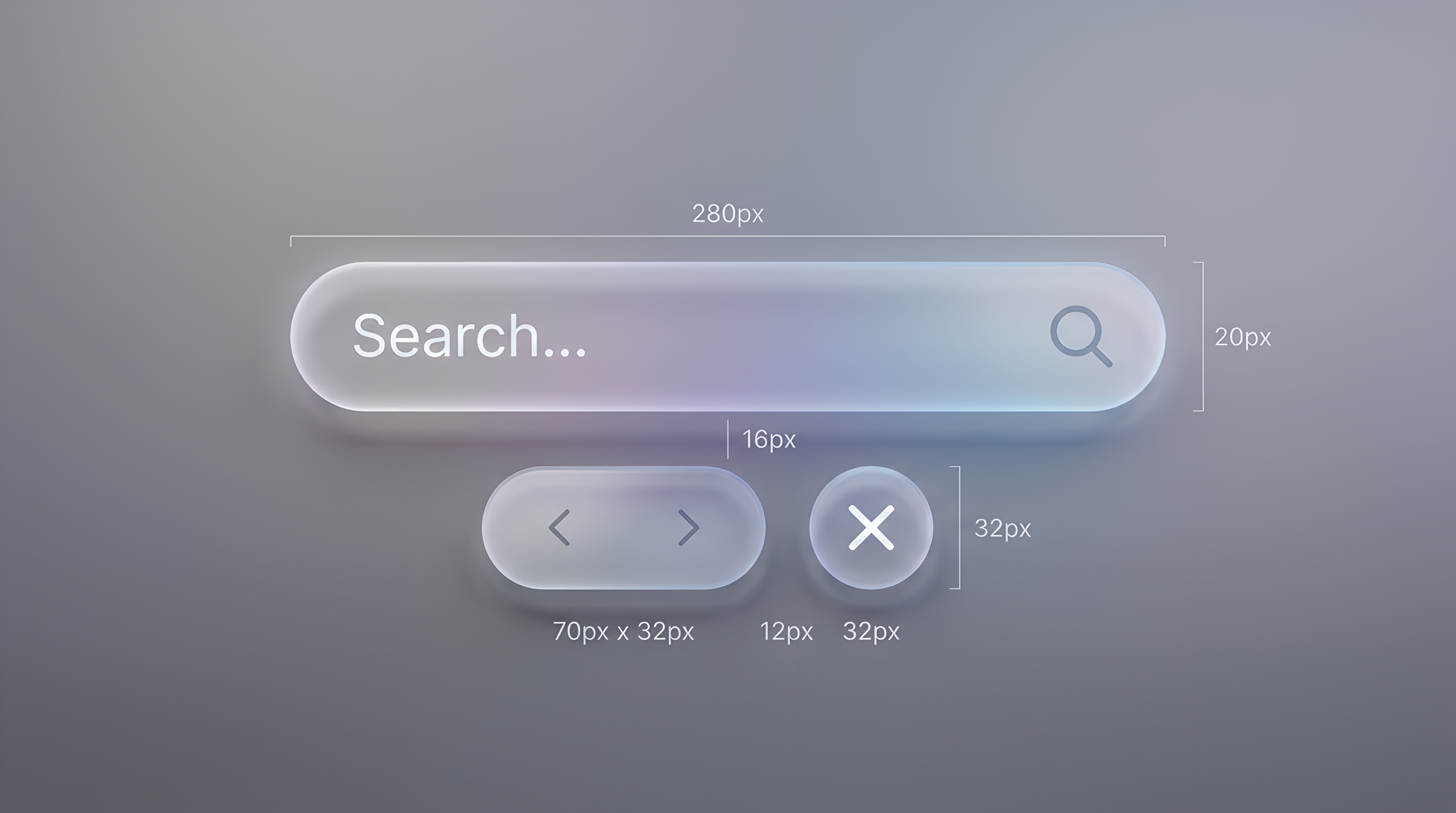
Clean glassmorphism effect element
2024Atlas · Senior Product Designer
Impact · Itinerary completion rate up 54%. Average session length grew 2.3x.
Read case study